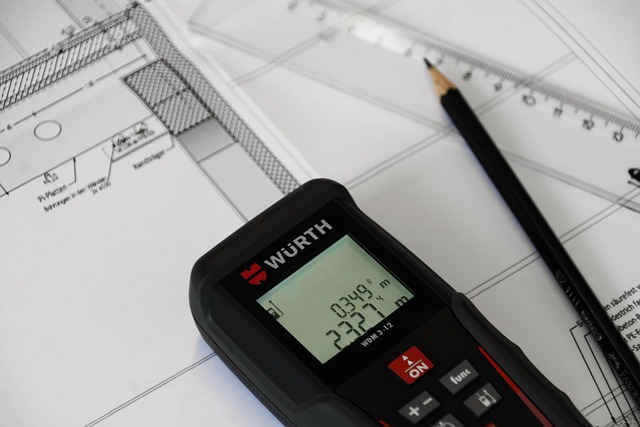
We document where credentials are stored, which roles can write commands, and how network segments are separated. This supports internal reviews and reduces operational risk.
- Device inventory and protocol map
- Tag naming and units standardization
- Sampling rates and data retention plan
- Read and write permissions review
Protocol coverage and interface strategy
Integration work is more than getting data to appear on a chart. A reliable smart grid layer needs consistent units, stable identifiers, and a clear plan for what happens when devices are rebooted, replaced, or upgraded. Selugor uses interface strategies that prioritize long-term operations: standard protocols when available, vendor APIs when necessary, and a documented abstraction layer so dashboards and control logic are not tied to one device model.
We also define a boundary between measurement and control. Many projects start in read-only mode to establish trust in the telemetry. After validation, we introduce control gradually, with explicit command scopes and fallback behavior. This approach helps operators and safety teams review changes without relying on assumptions.
Modbus (RTU/TCP)
Common for meters, power quality devices, PLCs, and some inverters. We map registers to a stable tag model, confirm scaling factors, and align polling rates with network and device limits.
BACnet and building controls
Used for HVAC and building automation signals that influence load. We coordinate points, naming, and schedules so optimization actions remain compatible with existing operator routines.
OPC UA and SCADA gateways
Helpful where industrial systems already expose tags through a gateway. We maintain a clear mapping between source tags and the optimization model, including quality flags and timestamps.
Vendor APIs
Used for some EV charging networks, inverter fleets, and monitoring portals. We document rate limits, data latency expectations, and token lifecycle management to reduce outages.
A note on device compatibility
Compatibility depends on firmware versions, site network access, and whether read and write functions are enabled by the vendor. During discovery, we confirm what is technically possible and what is permitted by policy. If control is not allowed, we can still provide monitoring and analytics so teams gain visibility without changing operations.
Device categories we connect
Smart grid optimization requires context across generation, consumption, and constraints. Selugor integrations typically cover four layers: measurement (meters and sensors), conversion (inverters and drives), storage (battery systems), and controllable loads (EV charging, HVAC, process loads). Each layer has different data quality expectations. For example, billing-grade meters might be sampled less frequently but need accurate energy totals, while inverter power signals often benefit from higher frequency to detect clipping or curtailment.
During integration, we define which signals are critical, which are informational, and which are derived. Derived values can include net load, renewable contribution, power factor trends, or estimated state-of-charge when direct signals are not available. This reduces dependence on any single data point while keeping the model transparent.
Meters and submeters
Import and export, demand peaks, voltage and current per phase, and power quality indicators. We validate totals and confirm time alignment across devices.
Inverters and DER controllers
PV and wind telemetry, curtailment state, fault codes, and setpoints where permitted. We keep a clear boundary between monitoring and commands.
Battery systems (BMS and PCS)
State-of-charge, power limits, temperature flags, and dispatch state. We align controls with manufacturer constraints to protect asset health.
EV charging and flexible loads
Charger status, session energy, and site-level load caps. Scheduling and load shedding logic is configured with clear priorities and overrides.
Data quality, retention, and operational logging
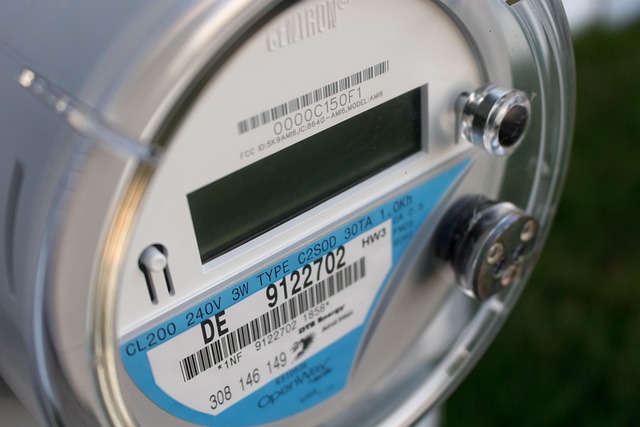
Integrations are only useful when data is trustworthy. Selugor validates time sources, units, scaling, and sign conventions for import and export. We track missing samples and communication dropouts so you can distinguish between a true power event and a telemetry gap. For multi-site deployments, we standardize naming and units so reports remain comparable across different vendors and regions.
Operational logging matters just as much as measurement. When a setpoint is written, we record who initiated it, what value was sent, and what the system observed afterward. This supports incident review and makes control logic safer to refine over time. If your organization requires change management, we can align configuration changes with internal approvals and maintenance windows.
Time alignment and sampling
We align timestamps, document polling intervals, and define which signals are suitable for control loops versus reporting. Where devices report at different rates, we apply clear aggregation rules so operators can interpret numbers consistently.
Retention plan that matches operations
Short-term high-resolution data supports troubleshooting and optimization tuning, while long-term summaries support budgeting and performance tracking. We help define a plan that balances cost, access needs, and compliance expectations.
Auditable command history
For any system that can change a setpoint or schedule, we maintain a command and outcome record. This supports operational assurance and helps teams understand why automation behaved a certain way.
Ready for an integration audit?
Send a brief device list and what you want to optimize. We will respond with a realistic discovery scope and what access details are needed. Contact information is used only to respond to your request unless you explicitly opt in to marketing.
By submitting this form, you agree to our Privacy Policy.